Chronic low-grade inflammation is increasingly understood as a contributor to a wide range of health conditions, from cardiovascular disease and type 2 diabetes to skin conditions and mental health. Diet is one of the most modifiable influences on inflammatory markers, and a consistent pattern of anti-inflammatory eating over months and years is meaningfully different in its health effects from occasional clean eating. Here’s a practical guide to what’s worth including regularly.
Fermented Foods and Systemic Inflammation
The 2021 Stanford study mentioned elsewhere on this site found that a diet high in fermented foods – including yoghurt, kefir, fermented vegetables, and kombucha – significantly reduced markers of systemic inflammation (specifically 19 inflammatory proteins) over a 10-week period. The same effect wasn’t found for a high-fibre diet, suggesting fermented foods have an anti-inflammatory mechanism beyond just fibre content.
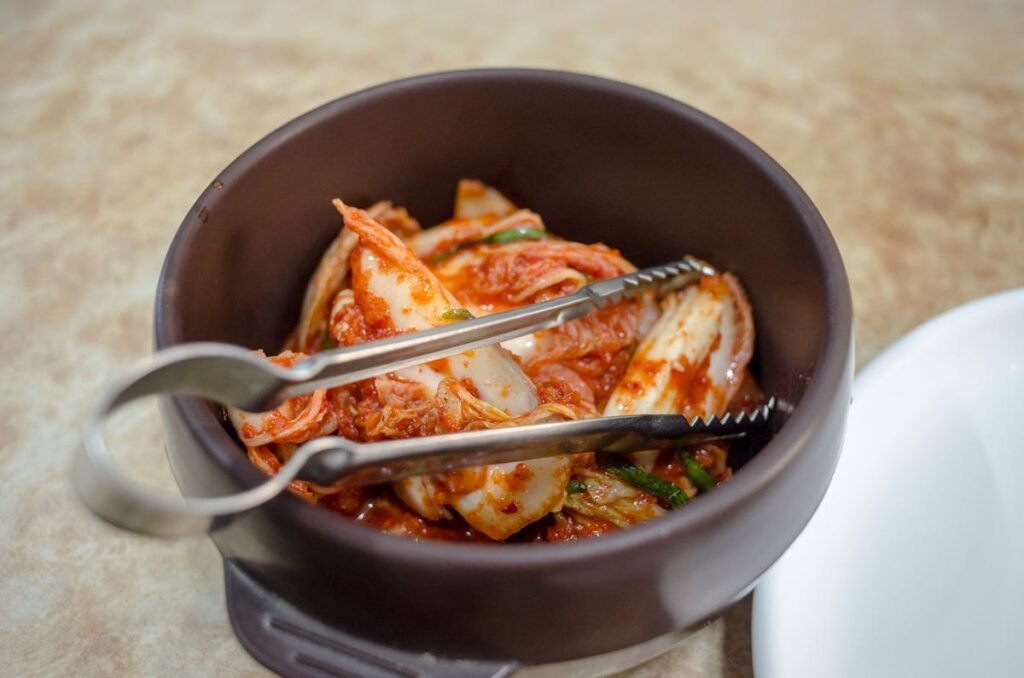
Including at least one fermented food daily is the most evidence-based dietary approach to reducing chronic inflammation available. Yoghurt is the easiest and most consistent option for most people, but the variety matters – rotating between yoghurt, kefir, kimchi, miso, and other fermented foods introduces greater bacterial diversity.
Oily Fish: Omega-3 Fatty Acids
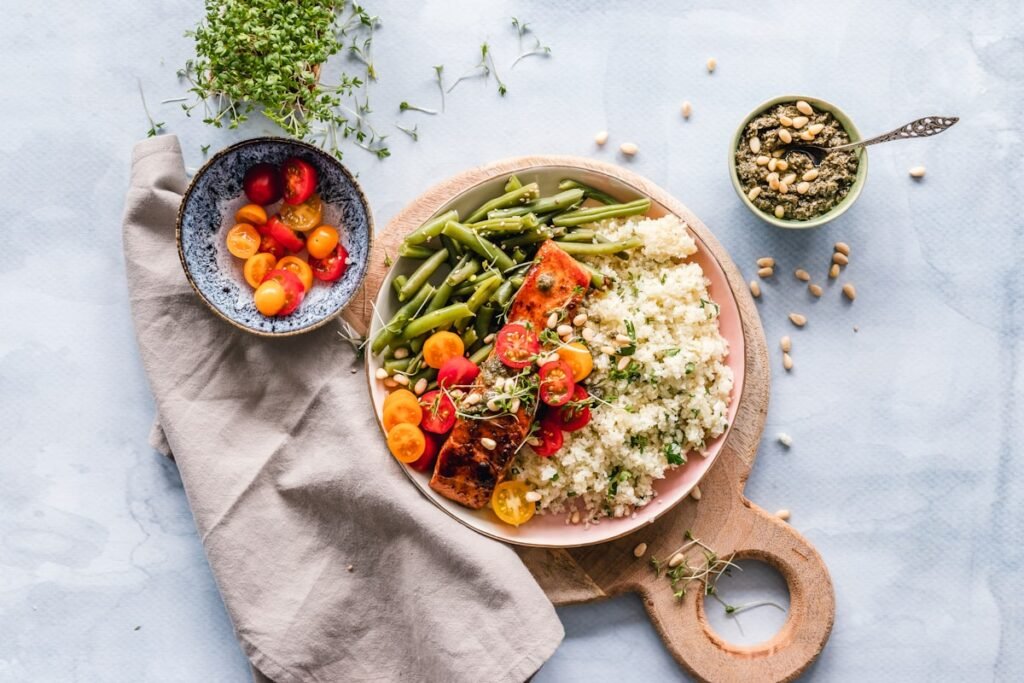
Omega-3 fatty acids (EPA and DHA from marine sources) are among the most well-researched anti-inflammatory dietary compounds. They work by competing with omega-6 fatty acids in inflammatory pathways and by producing resolvin and protectin molecules that actively resolve inflammation. Eating oily fish (salmon, sardines, mackerel, herring, trout) two to three times per week provides a meaningful anti-inflammatory dose.
Tinned sardines and mackerel are particularly practical options: cheap, shelf-stable, high in omega-3, and also providing calcium (when eaten with bones) and vitamin D. They’re not glamorous, but they’re nutritionally dense and genuinely worth including regularly.
Leafy Greens and Colourful Vegetables
Leafy greens (spinach, kale, rocket, silverbeet) and brightly coloured vegetables (capsicum, beetroot, purple cabbage, tomatoes) are high in antioxidants, polyphenols, and fibre – all of which have anti-inflammatory effects. The Mediterranean diet, which is consistently associated with the lowest levels of chronic disease, gets much of its anti-inflammatory effect from a high intake of vegetables, olive oil, and legumes.
A practical approach: make vegetables the largest component of most meals rather than the smallest. This shifts the proportion of the diet towards anti-inflammatory foods without requiring specific knowledge of which vegetables are “best.” Variety matters more than trying to optimise for specific compounds.
Olive Oil and Its Role
Extra virgin olive oil contains oleocanthal, a compound with anti-inflammatory properties similar to ibuprofen. The evidence for olive oil as an anti-inflammatory food is among the strongest in nutritional research, supported by decades of Mediterranean diet studies. Cooking with extra virgin olive oil and using it as a dressing provides meaningful anti-inflammatory compounds in ordinary quantities.
What to Reduce or Avoid
The other side of anti-inflammatory eating is reducing pro-inflammatory foods. Ultra-processed foods, refined sugar, and oils high in omega-6 (corn oil, sunflower oil) are the most consistent contributors to inflammatory markers in the research. This doesn’t require eliminating them entirely, but consistently choosing whole foods over ultra-processed alternatives has a cumulative effect over time.
A daily pot of plain yoghurt, vegetables with most meals, two to three servings of oily fish per week, cooking with olive oil, and minimising ultra-processed food is about as evidence-based an anti-inflammatory eating pattern as is currently possible. It doesn’t require supplements, it doesn’t require cutting food groups, and it tastes good.