Scandinavian food culture has been one of the most influential in the world since the early 2000s, when restaurants like Noma in Copenhagen began drawing international attention. But the more interesting story for dairy and fermentation enthusiasts isn’t in the fine dining scene – it’s in the everyday cultured milk products that Scandinavians have been eating for centuries and that remain largely unknown outside the region.
Filmjölk: Sweden’s Pourable Cultured Milk
Filmjölk is a Swedish cultured milk product made with mesophilic bacteria (Lactococcus lactis), which ferment at room temperature rather than the higher temperatures required by thermophilic cultures like those used in yoghurt. The result is a pourable, mildly sour product with a different flavour profile from yoghurt – cleaner, less acidic, and with a subtle flavour that works well with cereal or granola.
Filmjölk is available at every Swedish supermarket and is so embedded in Swedish food culture that it’s often the first thing children learn to eat independently. Trying it for breakfast in Stockholm is worth doing for the experience of eating something genuinely different from yoghurt, even if the flavour seems mild at first.
Viili: Finland’s Ropy Fermented Milk
Viili is Finland’s contribution to the world of fermented dairy, and it’s one of the strangest dairy products you’ll encounter anywhere. It ferments at room temperature and produces a ropy, slightly gelatinous texture that stretches when you scoop it. This unusual texture comes from a specific strain of bacteria that produces polysaccharides during fermentation.
Viili has a very mild flavour and its primary interest is textural. It’s eaten with sugar or jam, or with cereal as a breakfast food. If you’re visiting Finland, trying viili at a supermarket or café is a straightforward food experience that’s genuinely unlike anything else in dairy culture. The texture can be off-putting for some people initially, but the flavour is inoffensive and easy to like.
Skyr in Iceland and Its Regional Variations
Iceland’s skyr is covered more fully in a separate article on this site, but it’s worth mentioning in the Scandinavian context because Norway now has its own version (kvarg) and Denmark has developed a strong yoghurt and skyr market that takes both Scandinavian traditions seriously. Danish supermarkets carry excellent natural yoghurt from Danish dairies as well as Icelandic-style skyr, and the quality is generally very high.
The Nordic Fermentation Revival
The broader Scandinavian food movement that Noma sparked has led to a revival of traditional fermented foods across all five Nordic countries. Restaurants in Copenhagen, Oslo, Stockholm, and Helsinki now work with traditional fermentation techniques applied to dairy, vegetables, and grains, and the results are often remarkable. Even if you’re not eating at fine dining establishments, the influence of this movement has raised the quality of everyday fermented products in supermarkets and bakeries throughout the region.
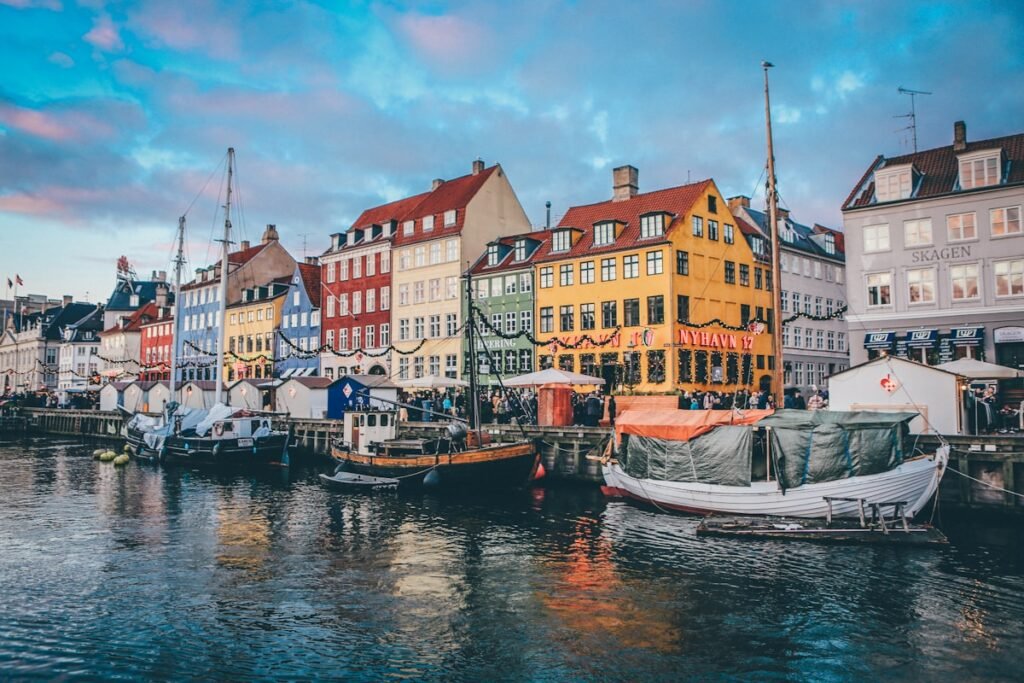
Copenhagen in particular has a food culture worth spending significant time in. The Torvehallerne market in the city centre has excellent dairy products from Danish and regional Scandinavian producers. The combination of high-quality local produce, strong fermentation tradition, and a restaurant culture that takes food seriously makes Denmark one of the most rewarding food travel destinations in Europe.