Yoghurt is one of the better foods you can eat during pregnancy. It’s a concentrated source of calcium, protein, and probiotics – all of which matter during pregnancy for different reasons. The main thing to be aware of is the distinction between pasteurised and unpasteurised products, which determines safety.
Why Yoghurt Is Useful During Pregnancy
Calcium needs increase during pregnancy as the developing baby draws calcium for bone formation. If dietary calcium is insufficient, the body draws from the mother’s bone stores, which is not ideal for long-term bone density. A serve of yoghurt (around 200g) provides roughly 30-40% of the daily calcium requirement in pregnancy, making it one of the most efficient calcium sources available.
Protein is the other significant contribution. Pregnancy increases protein requirements, and yoghurt’s combination of casein and whey protein provides a well-absorbed and useful source. Greek yoghurt is particularly high in protein (around 10g per 100g) and is worth including regularly if you’re finding it difficult to meet protein targets.
Pasteurised vs Unpasteurised: The Safety Line
The key safety consideration for yoghurt during pregnancy is pasteurisation. Commercial yoghurt in Australia and most developed countries is made from pasteurised milk, which is safe during pregnancy. Unpasteurised or raw milk yoghurt – which includes some specialty and artisan products – carries a risk of Listeria, Campylobacter, and E. coli that is specifically dangerous during pregnancy.
If you’re buying yoghurt from a farmers market, specialty store, or artisan producer, check whether it’s made from pasteurised or raw milk. Most commercial yoghurts list “pasteurised milk” in the ingredients. If it doesn’t specify, ask. During pregnancy, avoid any dairy product that doesn’t clearly state pasteurised milk as the ingredient.
Probiotics During Pregnancy
The live cultures in yoghurt are safe and potentially beneficial during pregnancy. Research suggests that probiotic consumption during pregnancy may reduce the risk of gestational diabetes, preeclampsia, and excessive weight gain, though the evidence is not strong enough to make specific recommendations. Some studies suggest probiotics taken during pregnancy may also reduce the risk of atopic conditions (like eczema) in the baby.
These are potential benefits rather than established facts, but there’s no evidence that the live cultures in pasteurised yoghurt are harmful during pregnancy, and the broader health benefits of regular yoghurt consumption apply as much during pregnancy as at any other time.
What to Avoid
Beyond unpasteurised products, the main thing to avoid is yoghurt with very high sugar content. Some flavoured yoghurts contain more sugar per serve than a chocolate bar, which contributes to excessive weight gain and increases gestational diabetes risk. Check the nutrition panel: aim for less than 12g of sugar per 100g. Plain yoghurt with fresh fruit mixed in yourself, or flavouring your own yoghurt at home, is a much better option than most pre-flavoured varieties.
Yoghurt-coated products like yoghurt pretzels or yoghurt-covered nuts are not a meaningful source of the nutrients in actual yoghurt and should not be treated as equivalent. The yoghurt coating is typically a flavoured confectionery product rather than real fermented dairy.
A Practical Daily Approach
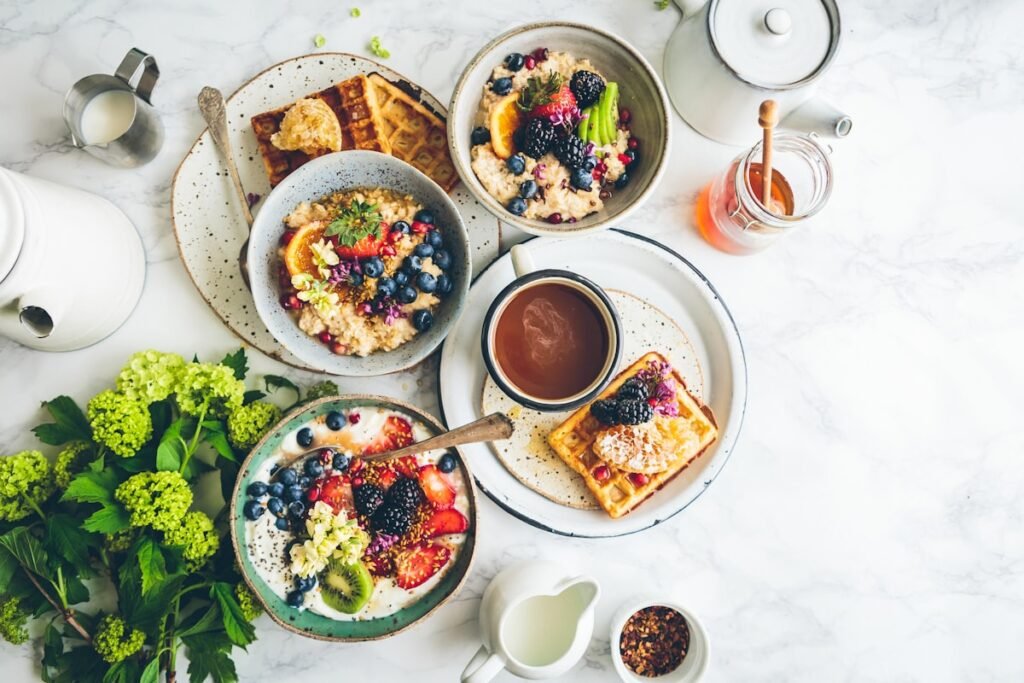
A daily serve of plain, full-fat yoghurt (around 150-200g) with fresh fruit is a reasonable and genuinely useful addition to a pregnancy diet. Combined with other calcium sources (leafy greens, tinned fish with bones, fortified plant milks) and a balanced diet, it contributes meaningfully to both calcium and protein intake. Check with your midwife or GP if you have specific dietary questions, but in general, yoghurt is one of the least complicated foods to include regularly during pregnancy.