Yoghurt is one of the best bases for salad dressing. It’s thicker and more stable than vinaigrette, lighter and more acidic than mayonnaise, and the lactic acid means it doesn’t need as much vinegar or lemon to achieve a bright, balanced flavour. It’s also more nutritious than mayo-based dressings and considerably cheaper than most premium bottled dressings. Here are three that are worth having in regular rotation.
Green Goddess Yoghurt Dressing
In a blender or using a stick blender: combine half a cup of full-fat plain yoghurt, a large handful of fresh basil, a handful of flat-leaf parsley, 2 tablespoons fresh chives, 1 garlic clove, juice of half a lemon, 1 tablespoon olive oil, salt, and pepper. Blend until completely smooth and bright green. Thin with a tablespoon of water if needed. Taste and adjust salt and lemon.
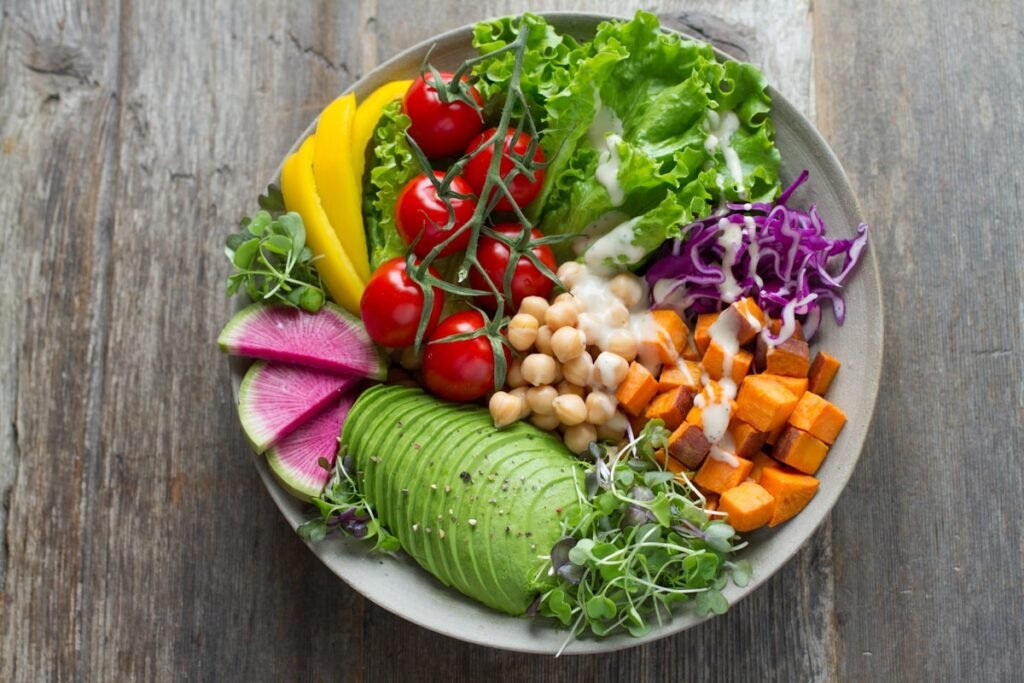
This dressing works on: anything with avocado, green salads with cucumber and radish, cold grain bowls, as a dip for crudités, or over grilled chicken. It keeps in the fridge for three days and the colour stays vivid if stored in a sealed jar. Add a tablespoon of anchovy paste for a more savoury, umami version.
Herb Ranch Yoghurt Dressing
Combine: half a cup of full-fat Greek yoghurt, 2 tablespoons buttermilk or whole milk, 1 tablespoon mayonnaise (just enough for richness), 1 teaspoon dried dill, half a teaspoon garlic powder, half a teaspoon onion powder, a small handful of fresh chives (finely chopped), salt, and a squeeze of lemon. Whisk until smooth. Rest in the fridge for 20 minutes before serving – the flavours develop as the dried herbs hydrate.
This is deliberately close to the flavour profile of bottled ranch but cleaner and fresher. It works on green salads, as a dip for chicken tenders or raw vegetables, as a burger sauce, or tossed through a simple cos lettuce salad. The Greek yoghurt base means it holds its consistency on salad without becoming watery as it sits, which is a common problem with mayonnaise-based ranch.
Lemon and Za’atar Yoghurt Dressing
Whisk together: half a cup of full-fat plain yoghurt, juice and zest of 1 lemon, 1 tablespoon za’atar, 1 tablespoon good olive oil, 1 small garlic clove (grated or minced), salt. Za’atar is a Middle Eastern spice blend combining dried thyme, sesame seeds, sumac, and salt – available from Middle Eastern grocery stores, good delis, and increasingly from mainstream supermarkets.
This dressing works on: warm roasted vegetable salads (particularly roasted cauliflower, beetroot, or sweet potato), salads with chickpeas and tomato, grain bowls with farro or freekeh, as a sauce for falafel or grilled halloumi, or spooned over flatbread. The sumac in the za’atar adds a fruity tartness that makes this dressing taste more complex than its ingredient list suggests.
A general note on yoghurt dressings: always taste after mixing and before serving, and adjust salt and acid. Yoghurt varies in sourness between brands, so the amount of lemon or vinegar you need varies. The dressing should taste assertive – salad dilutes dressing, so what seems slightly too strong on a spoon will be right on leaves.
Build Your Own: The Simple Ratio
Once you have made a few of these, you can freestyle. The working ratio is roughly four parts yoghurt to one part acid (lemon or vinegar) to one part oil, then salt and whatever aromatics you like. Keep the yoghurt as the body, use the acid to brighten, the oil to round it out, and salt to pull it all together. Taste it on a leaf, not just a spoon, since salad softens a dressing.
Troubleshooting
Too thick to coat the leaves. Loosen it with water, milk, or buttermilk a little at a time until it just pours. Thick is easy to fix, so add slowly.
Too sharp or sour. Different yoghurts have very different tang. Balance it with a touch more oil, a pinch of sugar or honey, or a little more yoghurt.
It splits or looks broken. This can happen if you blend a warm or very acidic mix hard. Whisk in a spoon of fresh yoghurt to bring it back, and add the lemon at the end rather than the start.
Storage and Common Questions
How long do they keep? All three keep in a sealed jar in the fridge for about three days. The blended green one holds its colour best sealed with no air gap. Give any of them a stir before serving, as they thicken and can weep a little as they sit.
Can I use Greek or low-fat yoghurt? Greek yoghurt makes a thicker, more stable dressing that clings well to leaves. Regular yoghurt makes a lighter, more pourable one. Both work, just adjust the liquid to suit.
Can I make them dairy-free? A thick plant-based yoghurt works, though the flavour and set differ. Choose an unsweetened one and taste carefully, as some plant yoghurts are naturally sweeter.