Applying cold yoghurt to sunburned skin is a folk remedy that appears in cultures across South Asia, the Middle East, and parts of Europe. If you’ve ever reached for the yoghurt after too much time in the sun and found it genuinely soothing, you’re not imagining things. There’s a reasonable scientific basis for why yoghurt helps with mild sunburn, though it’s not a substitute for proper treatment and it doesn’t prevent or reverse the underlying damage.
What Sunburn Actually Is
Sunburn is an inflammatory response to UV radiation damage in the skin. The redness, pain, and heat you experience are caused by your immune system sending blood to the damaged area and triggering an inflammatory cascade. The skin is genuinely damaged at the cellular level, and that damage – including to DNA in skin cells – is what leads to increased skin cancer risk with repeated exposure.
There is no treatment that reverses sunburn. What remedies can do is reduce the inflammatory response, cool the skin, and make you more comfortable while your body repairs the damage over the following days. This is what yoghurt does, within limits.
Why Yoghurt Helps with Mild Sunburn
The most obvious benefit is temperature. Cold yoghurt straight from the refrigerator provides immediate cooling relief that reduces the sensation of heat and pain. This is the same mechanism as a cold compress, and it works. The fat and protein in full-fat yoghurt also provide a temporary protective film over the skin that reduces transepidermal water loss, helping the skin stay hydrated during the repair process.
The lactic acid in yoghurt has mild anti-inflammatory properties that may reduce redness. Zinc, also present in yoghurt, has documented anti-inflammatory and wound-healing properties. These aren’t powerful effects, but for mild sunburn they’re real and noticeable. The live cultures in yoghurt may also have some soothing effect on inflamed skin, though the evidence here is less clear.
How to Apply It
Use plain, full-fat yoghurt at refrigerator temperature. Apply a generous layer to the sunburned area and leave it on for 15-20 minutes, then rinse with cool water. You can repeat this two or three times a day for the first 24-48 hours. Don’t rub it in – apply gently and let it sit on the surface.
Don’t use flavoured, sweetened, or low-fat yoghurt. Sugar on burned skin is uncomfortable and unnecessary, and low-fat yoghurt has less of the fat that provides the protective film. Greek yoghurt works well because it’s thick and stays in place without running. Avoid applying it to blistered or broken skin.
When Yoghurt Is Not Enough
Yoghurt is appropriate for mild sunburn – skin that’s pink, warm, and uncomfortable but not blistering. If you have severe sunburn with blistering, significant swelling, fever, chills, headache, or nausea, you need proper medical attention rather than a home remedy. Severe sunburn can cause dehydration, infection, and in extreme cases, shock.
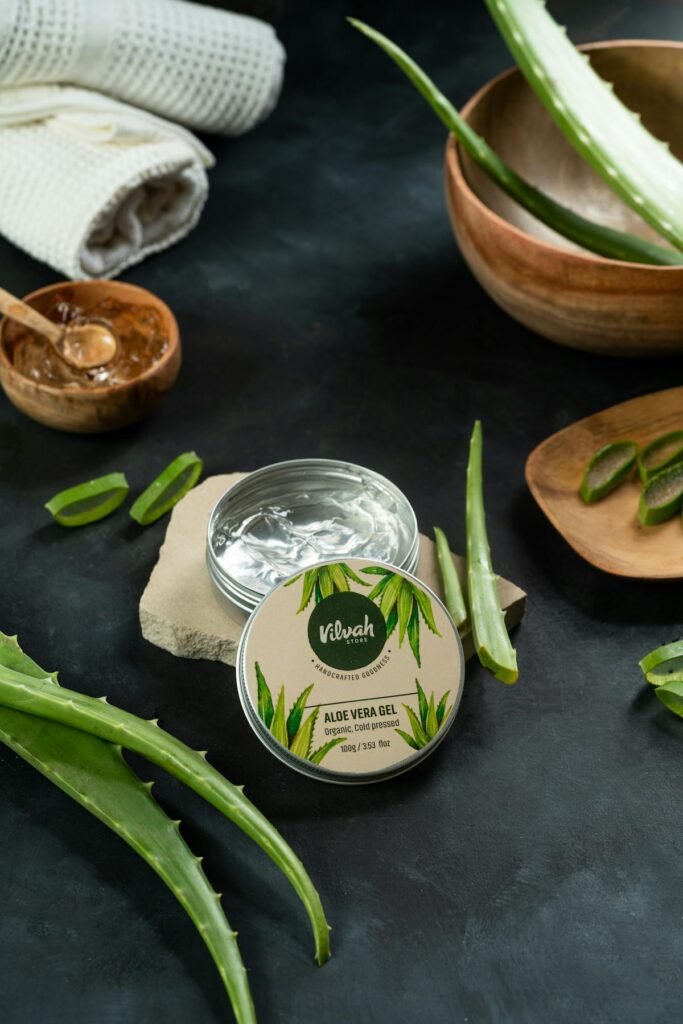
Aloe vera gel (from a plant rather than a product) is a more evidence-based treatment for sunburn than yoghurt and is generally the better first choice. Ibuprofen, which addresses the inflammatory response systemically, is more effective at reducing pain and redness than any topical application. Yoghurt works best as a complementary treatment for mild sunburn rather than a primary response.
A Word on Prevention
The most useful thing you can do with yoghurt and sun exposure is eat it rather than apply it. Diets rich in antioxidants – including the compounds found in fermented dairy, fruits, and vegetables – may offer some degree of UV protection from the inside, though not enough to replace sunscreen. SPF 30 or above, applied thirty minutes before sun exposure and reapplied every two hours, is the only reliable way to prevent sunburn.