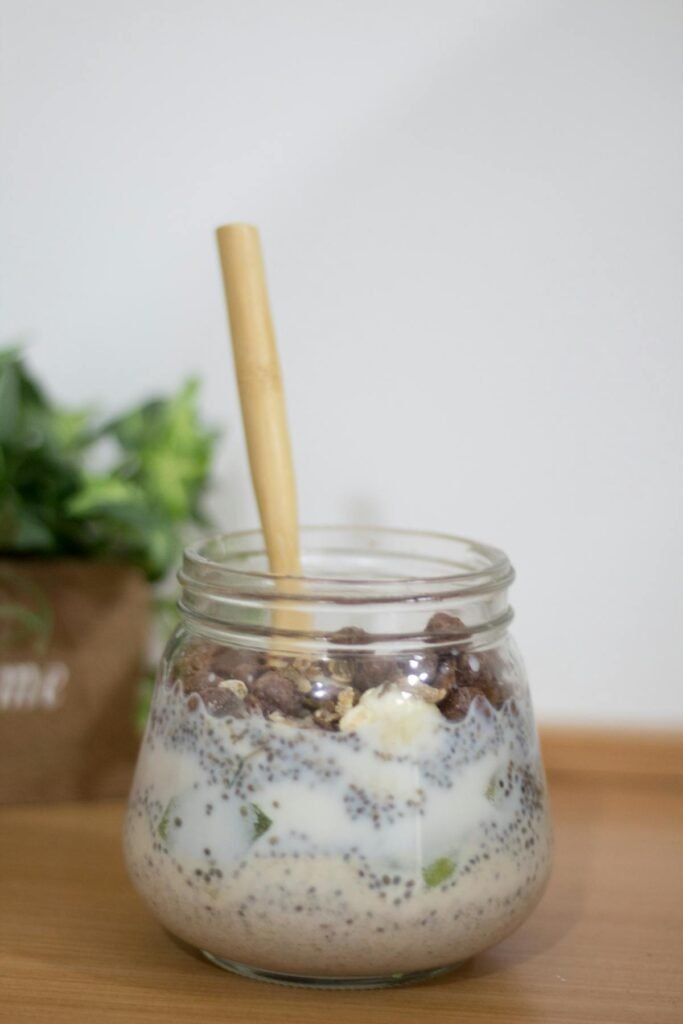
A yoghurt parfait looks like a breakfast but often functions more like a dessert. Many versions pile sweetened yoghurt with granola packed with sugar and honey, topped with a few token berries, and deliver a blood sugar spike followed by an energy crash by mid-morning. A well-built parfait is a completely different thing: satisfying, genuinely nourishing, and quick to put together. Here’s the formula.
Start with Full-Fat Plain Yoghurt
The base of a parfait that keeps you full is full-fat plain yoghurt, not the sweetened low-fat version. Full-fat yoghurt provides protein (around 5-6g per 100g), fat (which slows digestion and promotes satiety), and live cultures – all of which contribute to feeling full and satisfied. Greek yoghurt works particularly well because of its higher protein content and thicker texture.
If you want some sweetness in the base, add a small drizzle of honey or a teaspoon of vanilla extract rather than using pre-sweetened yoghurt. You get the flavour without the excess sugar, and you control the amount.
Choose a Granola with Less Sugar
Granola is often what turns a parfait into a dessert. Commercial granolas can contain 20-30g of sugar per 100g, which makes them more like confectionery than a breakfast component. Read the label and choose a granola with less than 12g of sugar per 100g, or make your own with oats, nuts, seeds, coconut oil, and a small amount of maple syrup or honey.
Alternatively, use a mixture of toasted oats, nuts, and seeds rather than commercial granola. Toast rolled oats in a dry pan with some pumpkin seeds and flaked almonds for five minutes and you have a better, cheaper crunch component than most packaged granolas. Store in an airtight container for up to two weeks.
Add Protein and Fat to the Layers
The elements that make a parfait actually filling are protein and fat. Include at least one of: a handful of nuts or seeds (almonds, walnuts, pecans, pumpkin seeds), a tablespoon of nut butter mixed into the yoghurt layer, or a boiled egg alongside (unconventional, but genuinely effective for satiety). These elements slow down digestion and extend the feeling of fullness significantly.
A parfait that’s only yoghurt, granola, and fruit provides mostly carbohydrate and protein. Adding fat through nuts, nut butter, or full-fat yoghurt creates a more balanced macronutrient profile that sustains energy for longer.
Use Fresh Fruit, Not Sweetened Compote
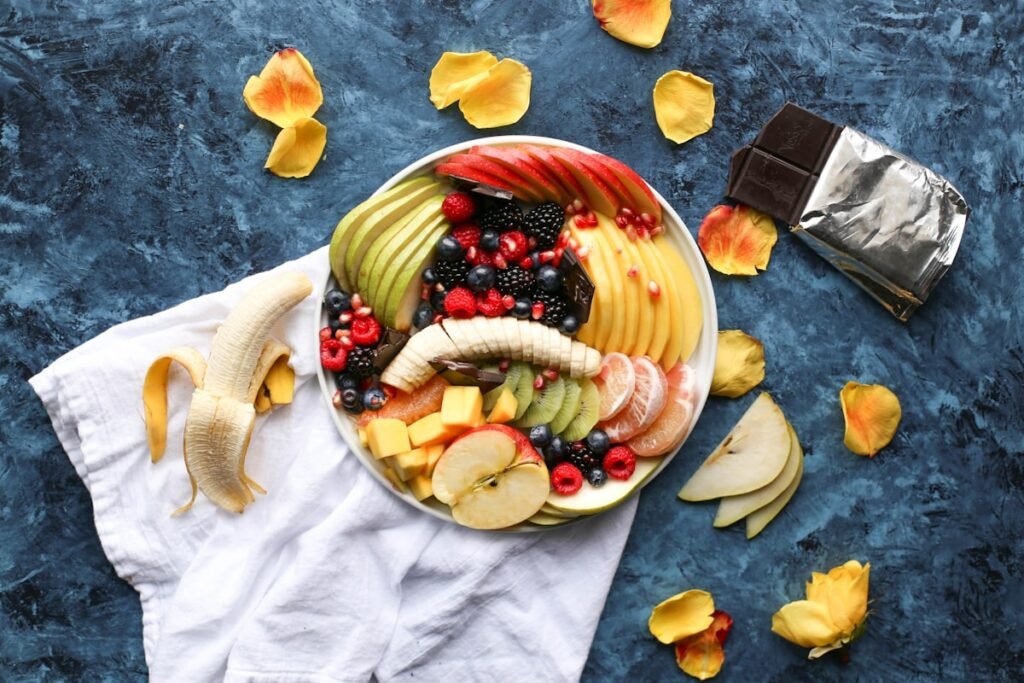
Fresh fruit provides fibre, micronutrients, and natural sweetness. Sweetened fruit compote or syrup adds sugar without the fibre that slows its absorption. Berries (blueberries, raspberries, strawberries) are particularly good because of their high antioxidant content and relatively low sugar level. Stone fruits and banana work well in winter when berries aren’t in season.
If you’re using frozen fruit, thaw it slightly so it’s partially defrosted and still cold. The juice that comes out as it thaws adds natural sweetness to the yoghurt without any added sugar.
The Assembly Formula
Layer in this order: yoghurt (the largest component, about half the total volume), granola or nut mixture (around a quarter), fresh fruit (the remaining quarter), then a small drizzle of honey if wanted. Keep the granola separate until you’re ready to eat to maintain crunch. A parfait that sits assembled in the fridge overnight will have soggy granola and is less satisfying than one assembled fresh.
Total preparation time: under five minutes if you have the components ready. Total satisfaction time: until lunch, which is the actual goal.
Common Questions
Can I make it the night before? Layer the yoghurt and fruit ahead if you like, but keep the granola or nuts separate until you eat, and add them last. Pre-mixed granola turns soft and loses the crunch that makes a parfait satisfying.
Is this actually filling, or does it just look healthy? That depends entirely on what’s in it. A parfait built from sweetened yoghurt, sugary granola and a few berries is closer to dessert. Follow the protein-and-fat layering above and it genuinely holds you until lunch.