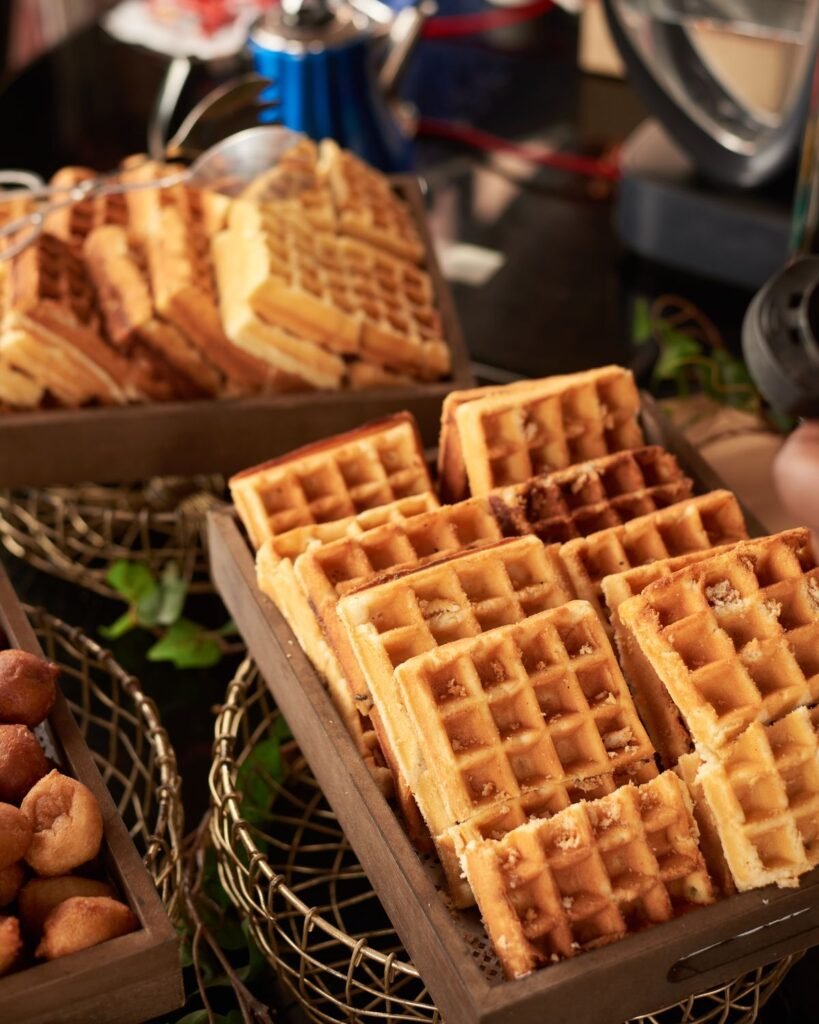
Yoghurt waffles are genuinely better than waffles made with milk or buttermilk. The lactic acid in yoghurt reacts with bicarbonate of soda to produce a faster, more vigorous rise, which creates a lighter interior and – because the steam escapes quickly in the waffle iron – a crisper exterior. The result is a waffle that holds its texture long after cooking rather than going soft within minutes. Once you’ve made them this way, regular waffles feel like a step backwards.
The Batter
Whisk together: 2 eggs, 1 cup full-fat plain yoghurt, half a cup of whole milk, 3 tablespoons melted butter, and 1 teaspoon vanilla extract. In a separate bowl, combine: 1 and a half cups plain flour, 2 teaspoons baking powder, half a teaspoon bicarbonate of soda, 1 tablespoon caster sugar, and a pinch of salt. Pour the wet ingredients into the dry and fold until just combined – lumps are expected and acceptable. Overmixing develops the gluten and toughens the batter. Rest for 5 minutes before cooking.
The batter should be thicker than pancake batter but pourable. If it seems too thick to spread in the waffle iron, add a splash more milk. Different yoghurts vary in thickness, so the exact amount of milk needed varies slightly.
Cooking Them Properly
Preheat your waffle iron fully before adding batter – this is the most important variable in getting a crispy exterior. A cold or underpowered iron produces steamed, soft waffles rather than crisp ones. Brush or spray the iron lightly with oil (even non-stick irons benefit from this). Pour enough batter to just fill the iron without overflowing and close the lid. Cook until the steam stops escaping from the sides – this is a more reliable signal than the timer, as different irons run at different temperatures. Opening the iron before the steam has stopped almost always results in a waffle that tears.
Keep finished waffles warm and crisp on a wire rack in a 120°C oven rather than stacking them – stacking creates steam between the waffles and softens them within minutes. This makes it possible to cook a whole batch and serve them all simultaneously, which is difficult with pancakes.
Toppings Worth Having
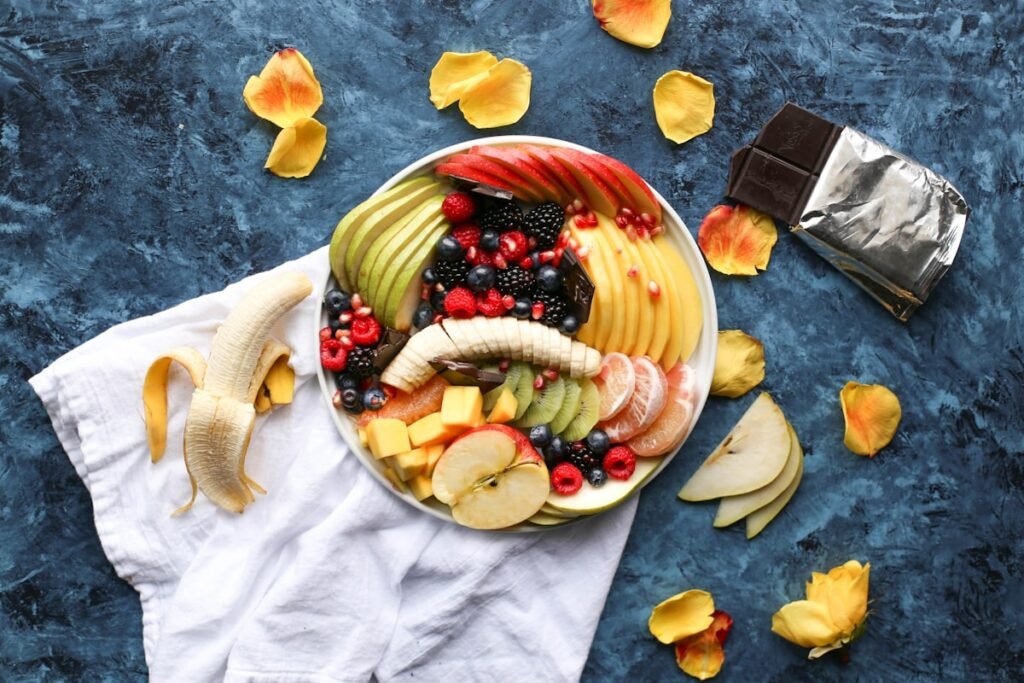
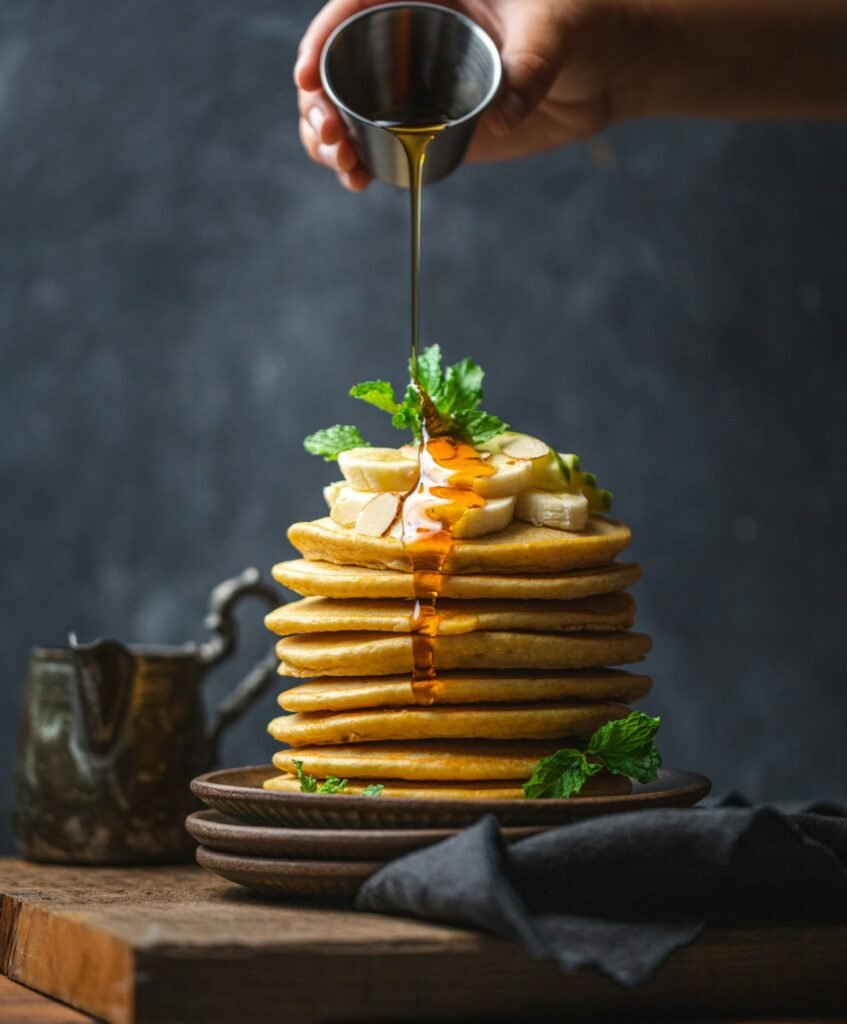
The classic: maple syrup, a handful of fresh berries, and a spoonful of plain yoghurt alongside. The yoghurt cut alongside rather than on top is important – it provides a cool, tangy contrast without making the waffle soggy. A good-quality maple syrup (not pancake syrup, which is mainly glucose) makes a considerable difference.
Savoury version: skip the sugar and vanilla in the batter, cook the same way, and top with smoked salmon, crème fraîche, and capers. Or fried eggs, avocado, and chilli flakes. The yoghurt batter is neutral enough that it works in both directions, and savoury waffles make an interesting dinner that guests don’t expect.
Make-Ahead and Freezing
Yoghurt waffles freeze exceptionally well. Cook a double batch, cool completely on a wire rack, then freeze in a single layer before stacking in a bag. Reheat from frozen in a toaster (best option – restores crispiness) or in a 180°C oven for 8 minutes. This makes them faster than making fresh batter on a weekday morning and only slightly less good than fresh.
Troubleshooting
They’re soft instead of crisp. Almost always the iron wasn’t hot enough to start, or the waffles were stacked while still hot. Preheat properly and rest them on a wire rack, not stacked, so steam can escape.
They stuck to the iron. Even non-stick irons benefit from a light brush of oil before each batch. If they’re still sticking, the iron likely wasn’t fully preheated, which is when sticking happens most.
The batter is too thick to spread. Yoghurts vary in thickness. Loosen with a splash more milk until it pours but still holds some body.
Common Questions
Can I make the batter the night before? Yes, it keeps well covered in the fridge overnight, which is what makes these a genuine weekday option, not just a weekend one.
What if I don’t have a waffle iron? The same batter makes good pancakes. You’ll lose the crisp exterior but keep the fluffy, tangy crumb.